
BLM lands provide habitat for a wide variety of mammals. Resource Management Plans often categorize certain mammals as "priority species" and management efforts are often focused on these species. It is the responsibility of each biologist to know what priority species occur in their area and how best to meet their habitat needs.
Here is scientific information on some of the more high-profile mammal species managed by the BLM:
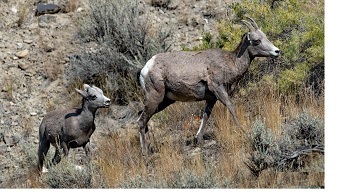 Bighorn sheep (Ovis canadensis) occur in multiple landscapes across BLM lands. Historically bighorns ranged throughout much of the west but by the early 1900's, due to a variety of anthropogenic forces, their populations were found in only small, isolated herds. Although populations have rebounded considerably, one of the greatest threats facing bighorn sheep today is a pneumonia complex most often initiated from the mycoplasmataceae and pasteurellaceae families. To learn more about bighorn disease:
- 2022 Range-wide Status of Bighorn and Thinhorn Sheep in North America
- WAFWA Domestic Sheep and Goat Management Report
- USGS Bighorn Sheep Pneumonia Homepage and Publication Database
- National Bighorn Sheep Center Webinars
Regional Information:
Risk of Contact Modelling (RoC)
The Bighorn sheep Risk of Contact Tool will help biologists estimate risk of local bighorn sheep herds potentially coming in contact with domestic sheep. As with any model quality data is necessary and estimations rely on a variety of assumptions.
Bighorn Sheep Risk of Contact Toll User Guide w/Appendices
Videos:
You can also browse the HQ230 SharePoint folder: Bighorn Sheep {Under Construction}
Mule Deer (Odocoileus hemionus) are found on BLM lands throughout all the western states. A few states even boast healthy populations of distinct mule deer subspecies such as Sitka black-tailed (Odocoileus hemionus sitkensis) and Columbian black-tailed deer (Odocoileus hemionus columbianus), all of which are extremely important and popular species. Therefore, state wildlife agencies often prioritize game animals due to their recreational and economic impacts on our society. As such, most BLM RMPs identify priority areas for mule deer and other high profile game species.
For more information about mule deer in your state: 2023 Range-wide Status of Black-tailed and Mule Deer
You can also browse the HQ230 SharePoint folder: Mule Deer {Under Construction}
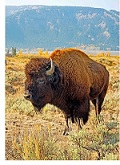 American bison (Bison bison) once roamed North America in the tens of millions but are now found only in small, isolated herds across the West. Secretarial Order 3410 - Restoration of the American Bison and the Prairie Grasslands puts emphasis on DOI agencies to work with other federal, state, and tribal partners to restore bison herds where possible.
The Bison Conservation Initiative has developed a Bison Population Viability Analysis to help direct bison restoration efforts.
BLM Alaska is currently working with the Alaska Department of Fish and Game to restore the Wood bison subspecies (Bison bison athabascae) to their landscape. Alaska Wood Bison Update
You can also browse the HQ230 SharePoint folder: American bison {Under Construction}
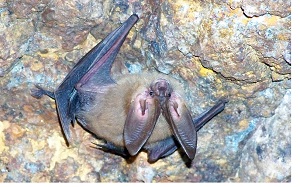 Bats (all species) are an integral part of the ecosystem. Today, bats are under unprecedented threat from widespread habitat destruction, accelerated climate change, invasive species, and other stresses. Without concerted international action, their populations will continue to fall, driving many species to extinction. One of the greatest threats currently impacting bat populations is a fungal disease known as White-nose Syndrome (WNS).
To learn more about White-Nose Syndrome:
- USGS Response to White Nose Syndrome - A fact sheet containing quick, bite-sized information about WNS and the steps the USGS is taking to respond to it and manage it.
- White Nose Syndrome Occurrence Map - A map showing the geographic occurrence of WNS and the timeline of its spread across the continent. It demonstrates how WNS spread from the eastern US, where it was discovered in 2006, across the continent.
Bat Conservation International - Their mission is to conserve the world’s bats and their ecosystems to ensure a healthy planet. BCI along with BLM biologists worked to create Best Management Practices for a variety and land management situations. They include:
- BCI-BLM Bats and Dark Skies BMPs
- BCI-BLM Bats and Mines BMPs
- BCI-BLM Bats and Oil-Gas BMPs
- BCI-BLM Bats and Water BMPs
- BCI-BLM Bats and Wind Energy BMPs
You can also browse the HQ230 SharePoint folder: Bats {Under Construction}
Pygmy rabbit (Brachylagus idahoensis) is the smallest species of rabbit in North America. Its historical range includes portions of Washington, Oregon, Idaho, Montana, Wyoming, California, Nevada and Utah. In Washington State’s Columbia Basin, the remaining pygmy rabbit population is endangered and faces compounding threats. The fracturing of its shrub-steppe home in Central Washington, an increasing occurrence of wildfire, and a new form of rabbit hemorrhagic disease all push the species toward extinction in the region. The U.S. Fish & Wildlife Service provides a Pygmy Rabbit Status Update.
Annotated Bibliography of Scientific Research on Pygmy Rabbits Published from 1990 to 2020
You can also browse the HQ230 SharePoint folder: Pygmy rabbit {Under Construction}
Other Mammals: There are countless mammal species residing on BLM lands. It is up to the wildlife biologist to ensure their ecological needs are met and secure. We should strive to always use the best scientific information available to help us meet those needs.
Don't forget to check out:
- Natural Heritage Programs
- T&E Species
- BLM Research Tab at the top of the Wildlife page.
You can also browse the HQ230 SharePoint folder: Mammals {Under Construction}