
FERTILITY CONTROL
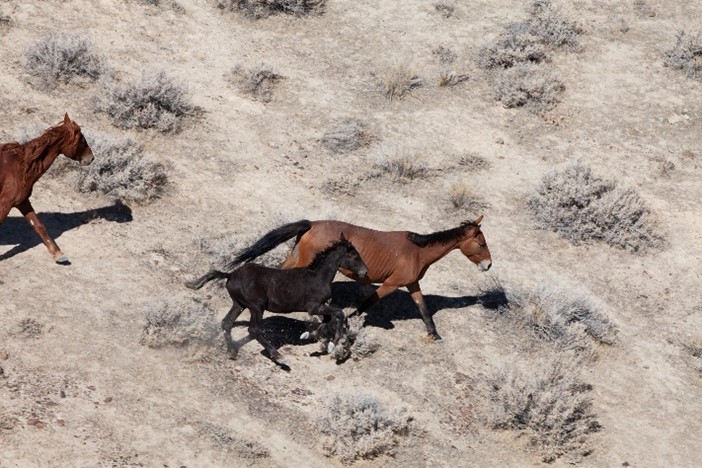
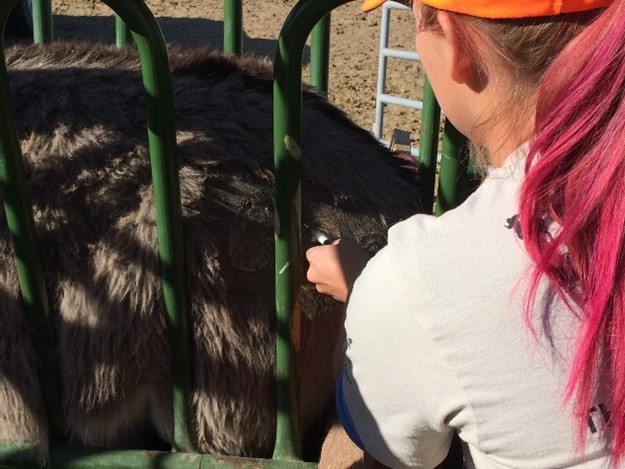
Developing humane, longer-lasting fertility control methods was identified as the highest priority for future research in the 2021 WHB strategic research plan. A lot is known about existing fertility control options.
At uncontrolled fertility rates, wild burro and horse herds can grow by 15-20% per year or more. Lowering on-range herd growth rates can be an important part of keeping herd sizes close to AML, over time. In most cases, ‘fertility control’ means the same as ‘population growth suppression.’ Population growth suppression includes fertility control methods (immunocontraceptive vaccines, intrauterine devices [IUDs], mare sterilization, gelding, etc.) and also includes sex ratio manipulation, which reduces the relative number of mares in a herd.
Template text for NEPA related to fertility control in wild horse and burro herd management planning is always evolving in response to science and litigation. Check with your WHB State Lead or the contact listed below for recent EAs. Fertility control is not “controversial,” from a NEPA perspective, because the effects are quite well understood. However, fertility control use in wild horses and burros can be contentious, as some members of the public may be opposed to its use. Studying the ‘social acceptability’ of those opinions is generally outside the scope of any WHB decisions, and is not addressed here.