
BLM lands provide habitat for a wide variety of reptiles and amphibians. Resource Management Plans often categorize certain herps as "priority species" and management efforts are often focused on these species. It is the responsibility of each biologist to know what priority species occur in their area and how best to meet their habitat needs.
Here is scientific information on some of the more high-profile reptile and amphibian species managed by the BLM:
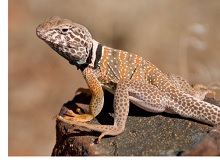
 Herpetofauna are the only terrestrial ectothermic (cold-blooded) vertebrates and thus have biological and ecological needs that differ from warm-blooded wildlife. They serve to transfer energy among aquatic and terrestrial environments and function as both predators and prey. Herpetofauna populations can also achieve remarkable densities and serve an important role in the uptake, retention, and distribution of nutrients. Consequently, herpetofauna serve as indicators of environmental health, as well as significant contributors to biodiversity.
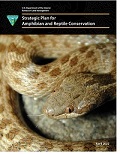
Check out BLM's: Strategic Plan for Reptile and Amphibian Conservation
Partners in Amphibian and Reptile Conservation (PARC) - is an inclusive partnership dedicated to the conservation of the herpetofauna–reptiles and amphibians–and their habitats. The diversity of our membership makes PARC the most comprehensive conservation effort ever undertaken for amphibians and reptiles.
Herp Resources:
- PARC Inventory and Monitoring Guide - A guide for performing herpetofauna surveys including a collection of techniques and tips on how to perform surveys.
- Criteria and Guidance for a Priority Amphibian and Reptile Conservation Area (PARCA) - The PARCA system identifies and designates important habitats for vulnerable herpetofauna and is critical in conserving them on the habitat level.
- Habitat Management Webinars - webinars on habitat management techniques focused on amphibians and reptiles.
 Habitat Management Guidelines:
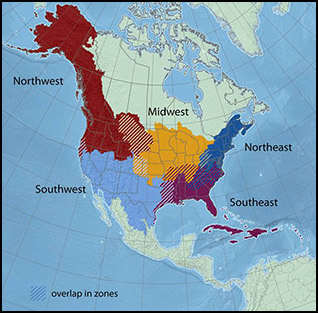
- Northwest Guidelines - Habitat Management Guidelines for Amphibians and Reptiles of the Northwestern United States and Western Canada
- Southwest Guidelines - Habitat Management Guidelines for Amphibians and Reptiles of the Southwestern United States are available in hard copy only. Please contact Michelle Christman at michelle_christman@fws.gov.
- All other regions - click here.
Annual Reports:
Each year PARC publishes an annual report to highlight its progress and accomplishments.
Risk Factors:
 Disease -
- Herpetofaunal Disease Resources - How YOU Can Reduce the Spread of Disease
- Herpetofaunal Disease Alert System - an amphibian and reptile disease alert email for people in the USA and Canada to report an incident of sick, dying, or multiple dead amphibians or reptiles.
Amphibian and Reptile Diseases:
| Bd Chytridiomycosis | Bsal | Frog Deformities | Ranavirus | Snake Fungal Disease |
Other Reptiles and Amphibians: There are countless herpetofaunal species residing on BLM lands. It is up to the wildlife biologist to ensure their ecological needs are met and secure. We should strive to always use the best scientific information available to help us meet those needs.
Don't forget to check out:
- Natural Heritage Programs
- BLM Sensitive Species (Create page)
- T&E Species (Link to T&E page)
- BLM Research Tab at the top of the Wildlife page.
You can also browse the HQ230 SharePoint folder: Herps {Under Construction}