
HUMAN DIMENSIONS OF WHB MANAGEMENT
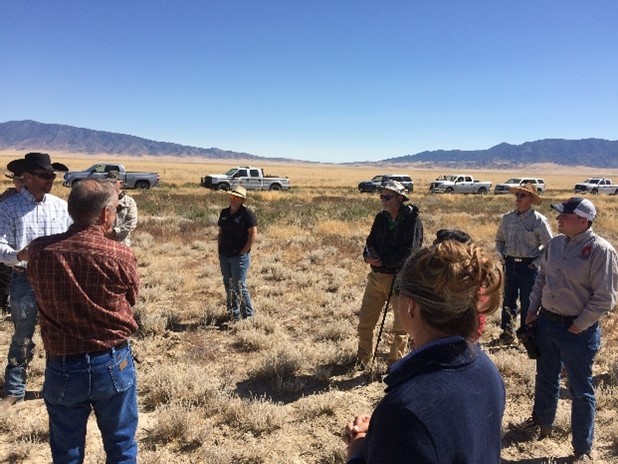
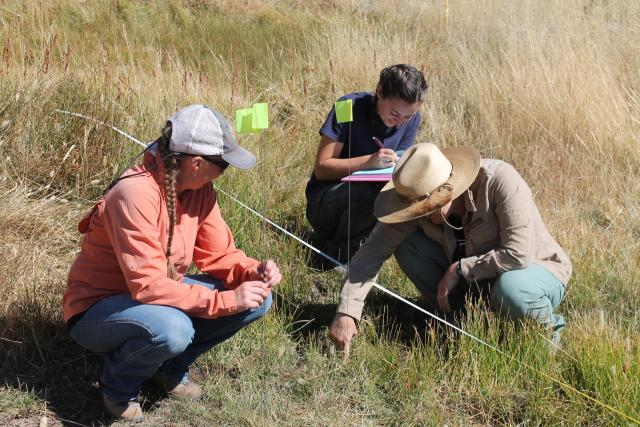
All decisions related to public lands management are influenced by human understandings about the environment, and take place in a societal context. The BLM’s actions can be informed by, and can influence, public perceptions. Sociological and anthropological insights into human attitudes and behaviors regarding WHB can help inform the BLM about management options. The landscapes where WHB live are heavily influenced by human decisions at local, regional, and national scales. At the same time, WHB herds can influence the human environment in many ways. Ecosystems — and WHB herds — cross administrative boundaries, so the BLM’s management often must include consultation with sovereign tribes, or other federal, state, and local agencies. Those entities, along with non-governmental organizations and private citizens, have viewpoints on WHB management, and can contribute to new paths for WHB management.
Key Papers:
Natural Resources Council of the National Academies of Sciences (NAS). 2013. Using Science to Improve the BLM Wild Horse and Burro Program: A Way Forward.
See Chapter 8: “Social considerations in managing free-ranging horses and burros.”
Beever, E.A., L. Huntsinger, and S.L. Peterson. 2018. Conservation challenges emerging from free-roaming horse management: a vexing social-ecological mismatch. Biological Conservation 226:321–328.
Frey, N. 2022. U. S. Survey of the Public Knowledge and Opinions of Free-Roaming Horses and their Management. Online report from Utah State University Berryman Institute. https://www.usuhumanwildlifeinteractions.com/knowledgeofwildhorses.html
Scasta, J.D., M. Adams, R. Gibbs, and B. Fleury. 2020. Free-ranging horse management in Australia, New Zealand and the United States: socio-ecological dimensions of a protracted environmental conflict. The Rangeland Journal 42:27-43.