
GENETICS
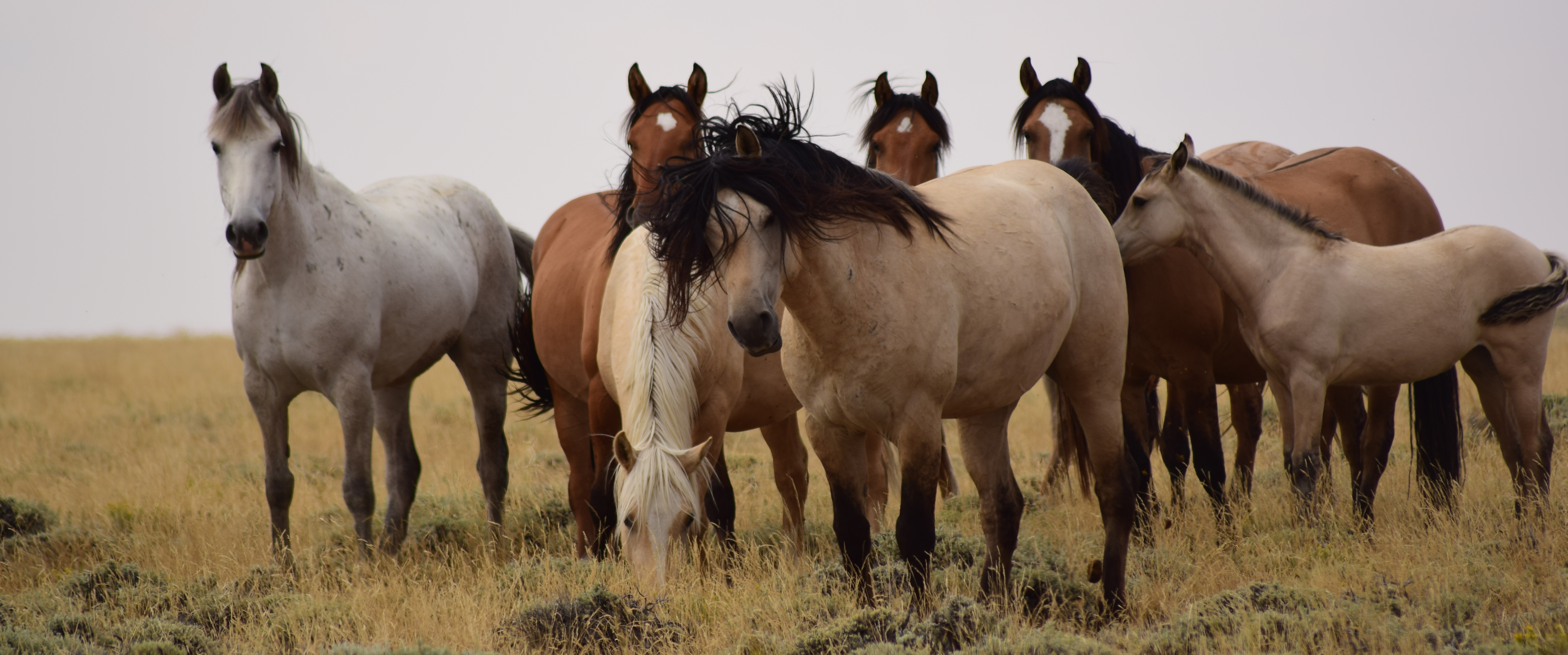
The BLM monitors genetic diversity in the wild horse and burro herds it manages. The WFRHBA of 1971 has no specific guidelines about population genetics, nor do current regulations in 43 CFR part 4700. However, the BLM has an interest in using the best available science and technology to ensure that the genetic diversity in free-roaming WHB is adequate for self-sustaining populations. Some land use plans specify desired genetic diversity outcomes for wild horse and burro herds, but the greater number do not. The NAS report (2013) advised that the BLM should recognize genetic connections between HMAs, and manage WHB as metapopulations. In recent years, most genetic monitoring has used hair follicle samples from captured animals, which are then analyzed in a panel of ‘microsatellite’ loci, which are non-coding genes that can be used to differentiate ancestry, and to gauge genetic diversity. Genetic diversity monitoring using microsatellite DNA markers from hair follicles (NAS 2013) or feces (King et al. 2018) is now somewhat routine. The BLM uses results of that monitoring, for example in deciding whether to increase local genetic diversity by introducing animals from another HMA.
BLM Contact: Paul Griffin, HQ-261. Paul is the COR for the genetics monitoring contract with Texas A&M University, and can help with report interpretation.
Standard Operating Procedures
SOPs for hair follicle genetic sample collection, and mailing for analysis.